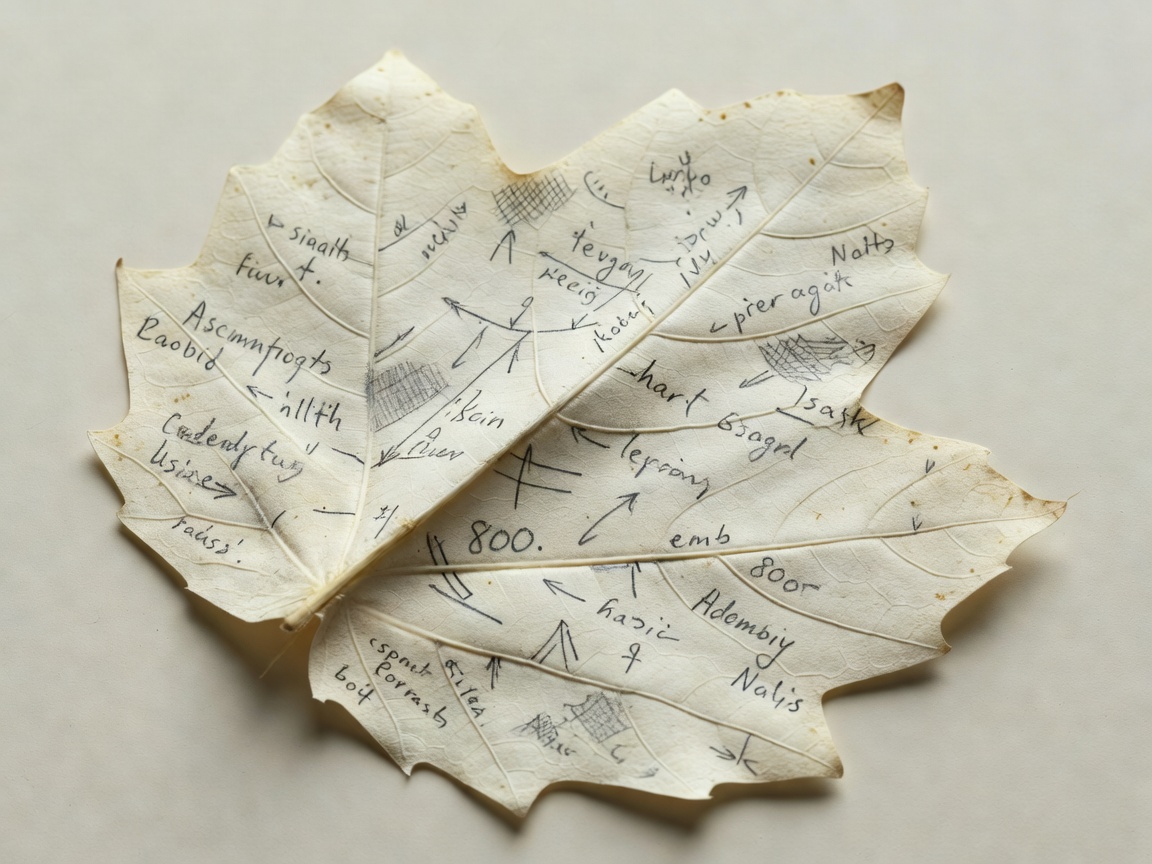
Paper is not a single material. Fibre source, manufacture, sizing, ink, coatings, storage and use all affect its behaviour. A page can look discoloured yet remain flexible, or appear clean while being brittle and vulnerable at the gutter. Assessment considers the whole object, including the binding that supports the leaves.
Common condition problems
Tears concentrate stress at their ends and can enlarge during turning. Folds create weak lines, while detached leaves may be lost or abraded at the edges. Staining can be historical, active or associated with moisture; its appearance alone does not reveal its cause. Brittle paper may fracture with ordinary handling, especially where the binding opens poorly.
Losses and gaps require a decision about function and visibility. A repair may aim to support a tear, reduce snagging or restore access to text. Filling every loss can improve continuity, but it may add material where evidence should remain visible. Limited repair may preserve more information but leave a book less visually complete.
Conservation planning
Planning identifies which pages are essential to access and which can remain untouched. It considers inks, illustrations, annotations, page sequence and the relationship between leaves. Any treatment involving moisture, solvents, bleaching, washing, deacidification or adhesives requires specialist assessment. These operations can be irreversible or can move damage through a sheet.
Detached pages should not be forced back into a binding or secured with household tape. Pressure, improvised glue and aggressive cleaning can stain fibres, embrittle paper or obscure evidence. A professional can determine whether a page needs a temporary support, a local repair or a wider structural solution.
Handling and storage
Clean, dry hands and a clear work surface reduce avoidable risk, but good intentions cannot compensate for severe brittleness. Support the book rather than flattening it, avoid forcing the opening angle and keep food, liquids and pressure away from the object. Environmental stability, suitable housing and controlled light are usually more useful than repeated cosmetic cleaning.
Good for
Use this guide when pages are torn, folded, loose, stained, brittle, cockled or difficult to turn. It is also useful before digitisation, family handling or a move between storage locations.
What to know
- Paper appearance does not reliably indicate strength.
- Inks and coatings can react differently from the sheet beneath.
- Cleaning is not automatically conservation.
- Do not test chemicals or adhesive repairs on valuable pages.