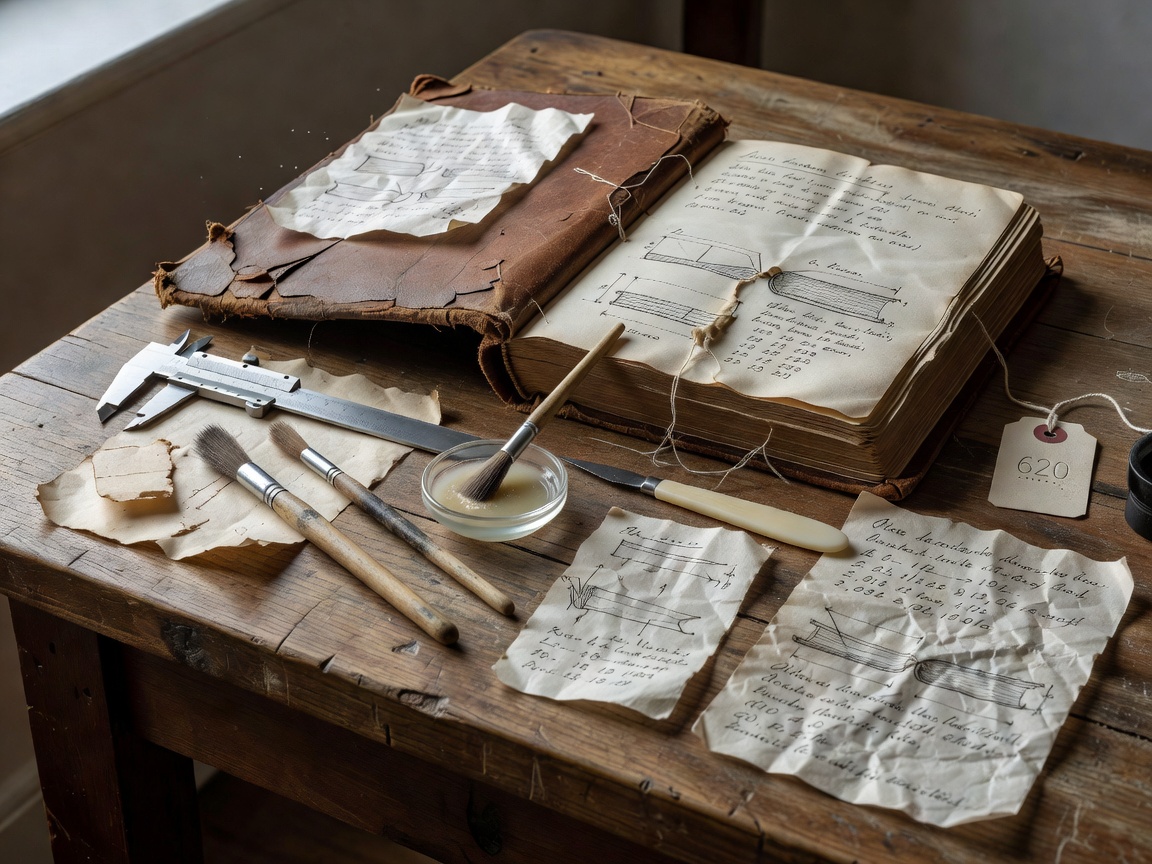
01 / Method
Book Restoration Process
Assessment, documentation, treatment planning, repair stages and final review in the right order.
Explore the Process →European book conservation studio
Old and valuable books require more than cosmetic repair. Assessment separates condition from history; conservation stabilises what matters; restoration may recover legibility or structure; preservation planning protects the result.
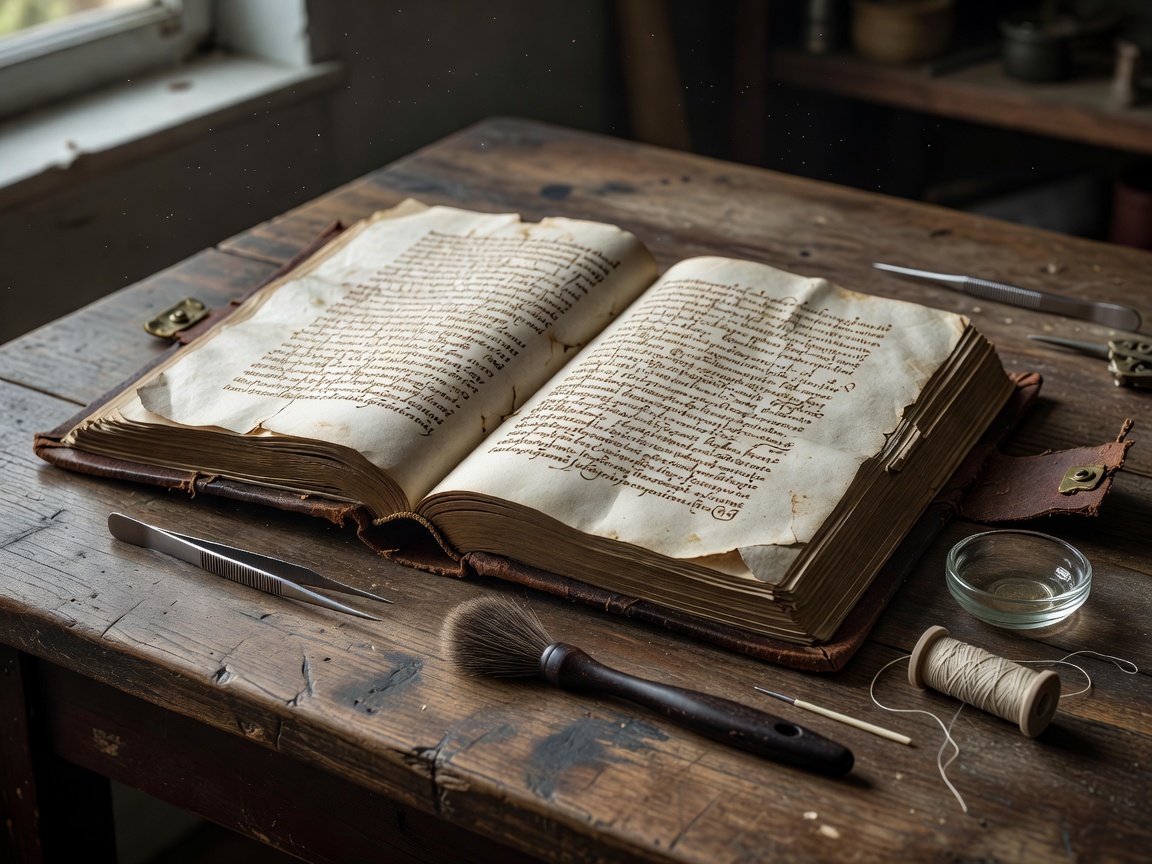
Five working questions
Use these guides to understand what can be observed, documented and discussed before treatment is considered.
01 / Method
Assessment, documentation, treatment planning, repair stages and final review in the right order.
Explore the Process →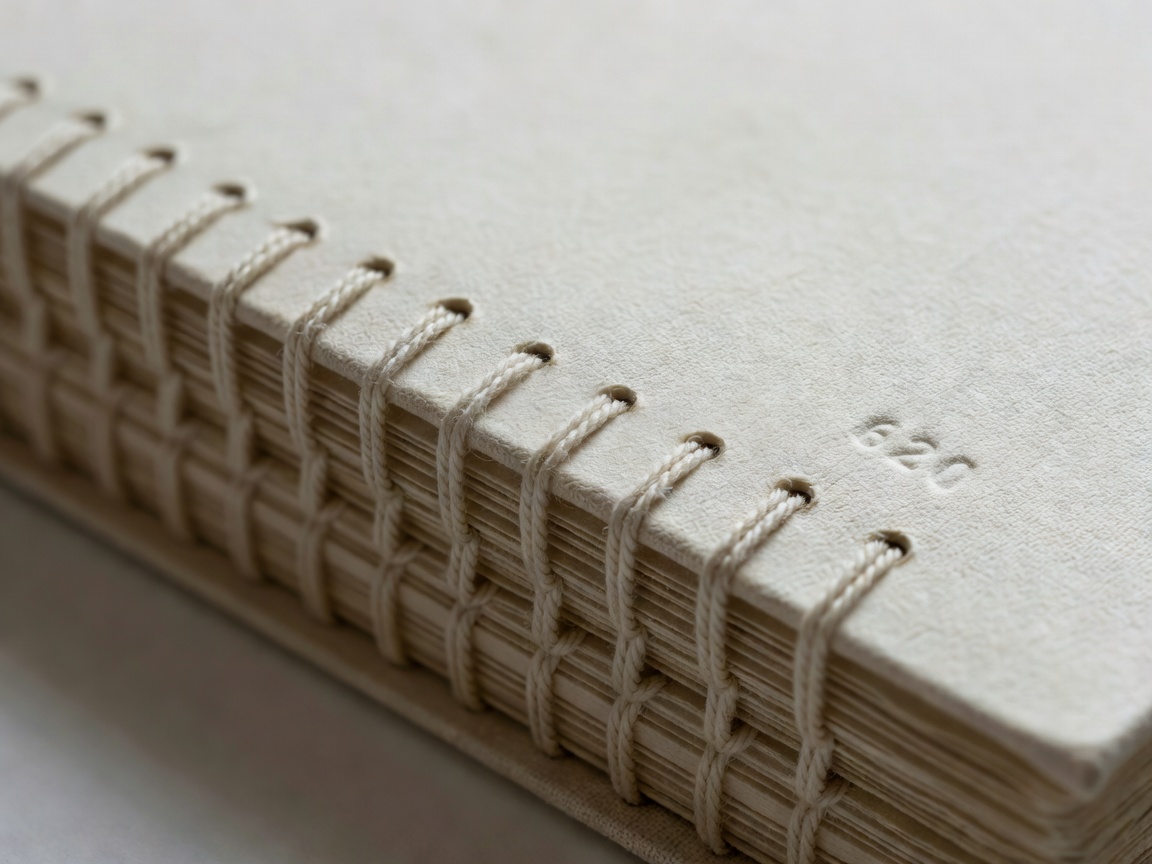
02 / Structure
Bindings, sewing, boards, spines, hinges and endpapers explained without guesswork.
Explore Bookbinding →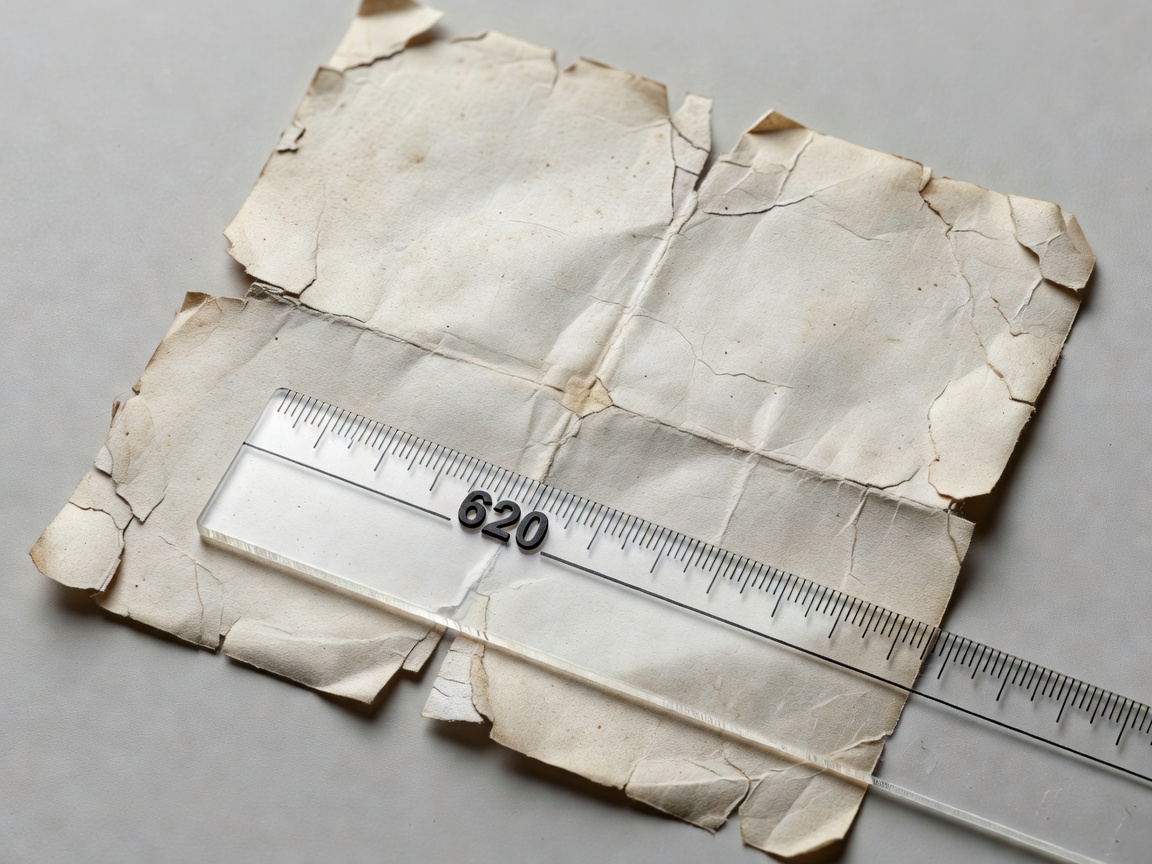
03 / Surface
Understand tears, folds, detached leaves, staining and brittleness before handling.
Explore Paper Care →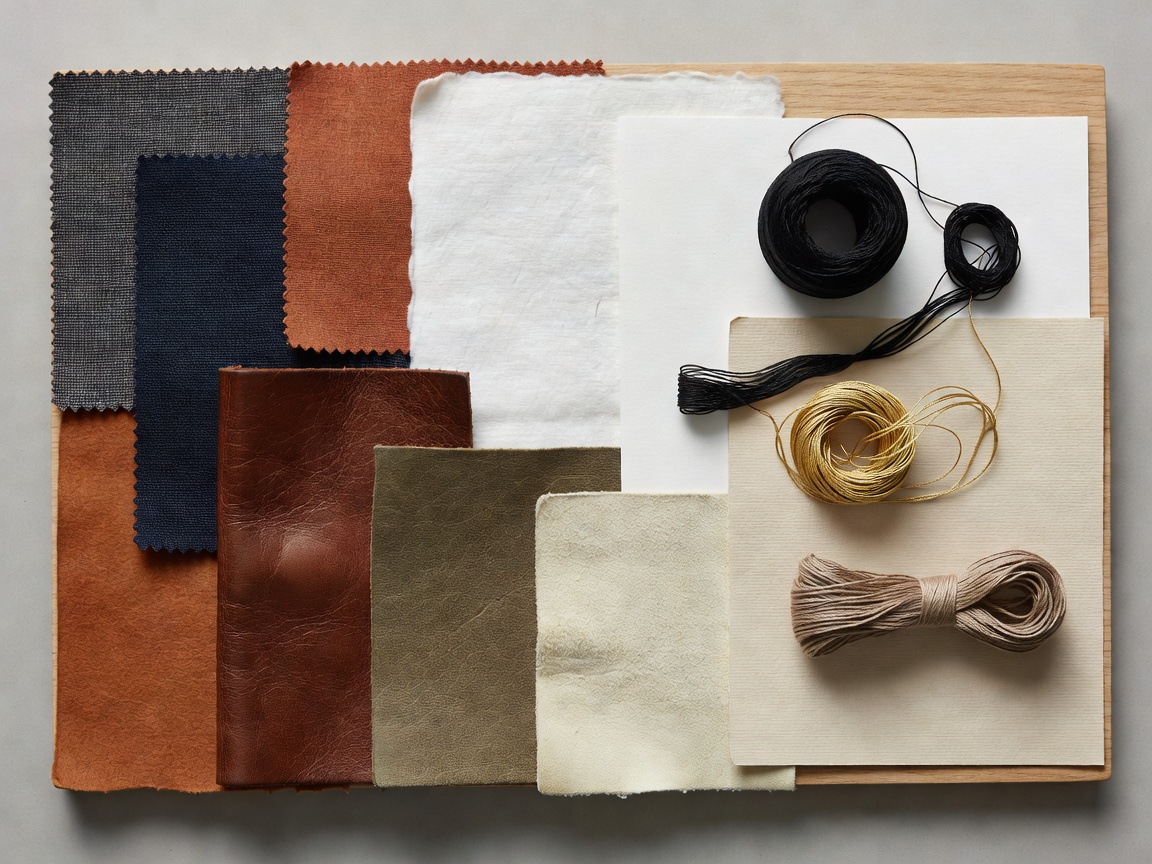
04 / Material
Leather, parchment, paper, cloth, thread, board and adhesives shape every decision.
Explore Materials →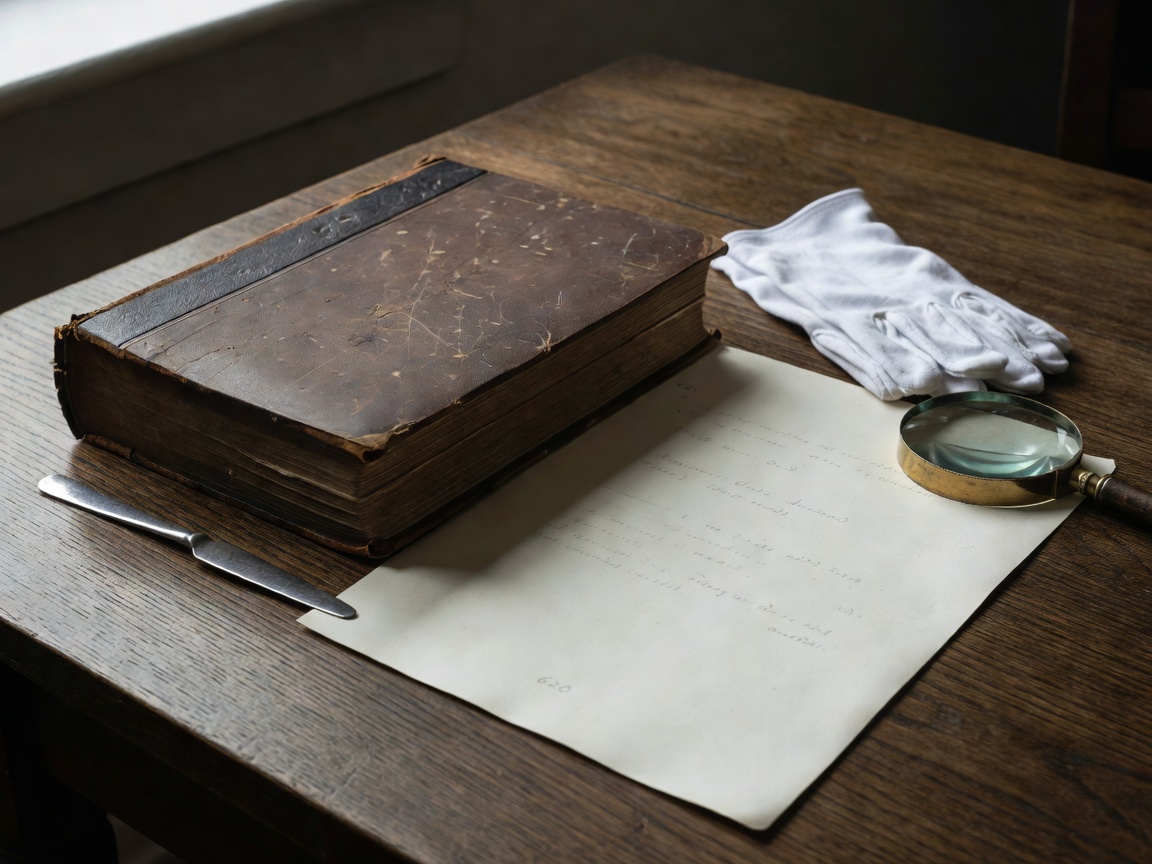
05 / Planning
Set priorities, document significance and ask better questions before commissioning work.
Plan an Assessment →A responsible sequence
Responsible restoration begins with understanding an object's condition, construction and history. Not every damaged book needs full restoration. A limited stabilising intervention may be more appropriate than a visually complete reconstruction.
Next useful step